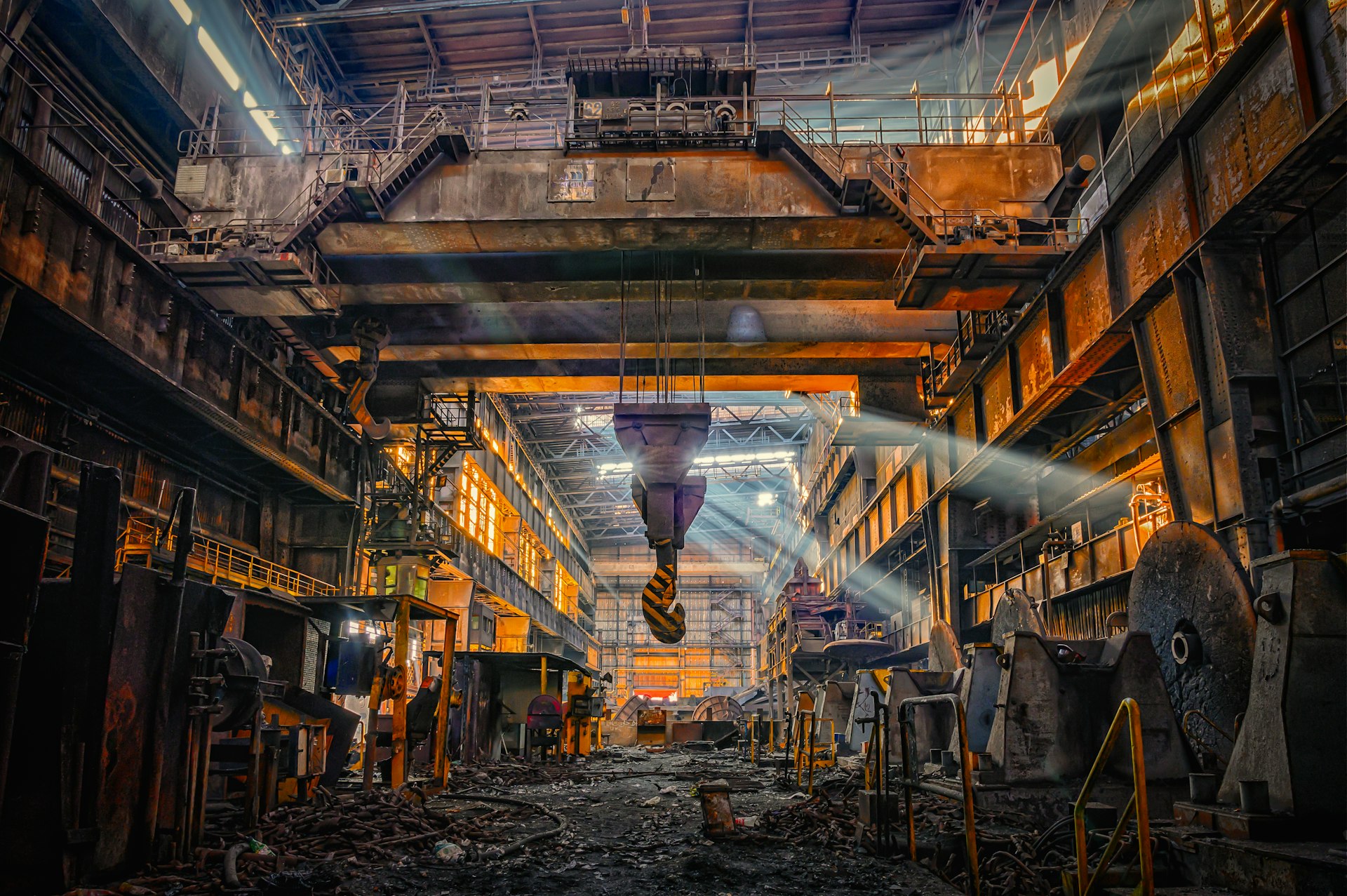
DomCast Metals supplies cast iron drain grates and covers for storm drainage structures — standard grates sized for corrugated steel pipe (C.S.P.), concrete pipe, and HDPE pipe, along with the dished and flat cover patterns used on drainage basins.
If a grate must match an existing structure or municipal drawing, send the details with your quote request. Canadian-owned and serving the waterworks market for 80+ years.
Browse the catalog
Products
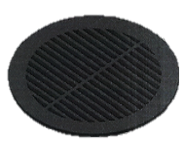
12" Grate for CSP
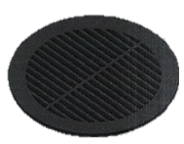
15" Grate for Concrete Pipe
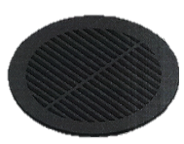
18" Grate for Concrete Pipe
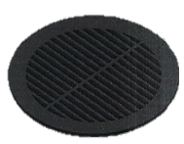
18" Grate for CSP
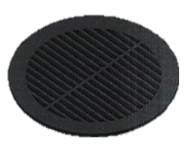
21" Grate for Concrete / 24" Grate for CSP
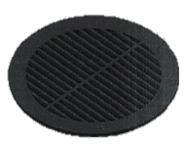
24" Grate for Concrete / 27" Grate for CSP
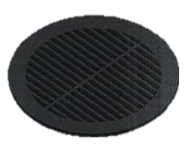
30" Grate for CSP
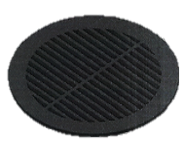
36" Grate for CSP
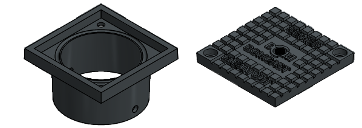
4" Sewer Cleanout Cover and Frame
4" Drain Frame and Cover with Built in Gaskets
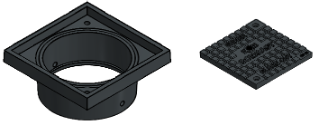
6" Drain Frame and Cover with Built in Gaskets
6" Sewer Cleanout with Built-in-Gasket
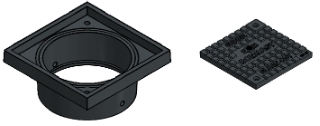
8" Sewer Cleanout with Built-in-Gasket
8" Cast Iron Floor/Yard Drain with Built in Gasket
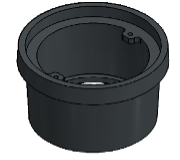
10" Sewer Cleanout with Built-in-Gasket
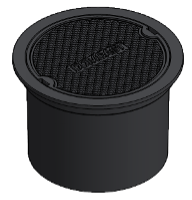
12" Filler Box
Choosing a grate by pipe material
A round drain grate is only as good as the fit at the pipe end. The three pipe materials in this category seat a grate differently, which is why the catalog names the pipe type on each SKU instead of just the diameter.
- Corrugated steel pipe (C.S.P.) has a thin wall and a corrugated end. Grates for CSP are patterned to sit in or over the corrugation profile so the grate stays centred and does not rock. A CSP grate and a concrete grate for the same nominal size are not interchangeable.
- Concrete pipe has a thick wall and a flat or bell end, so the grate bears on the wall face. Several DomCast patterns double up: DF2044E is listed as a 21" grate for concrete and a 24" grate for CSP, and DF2044F covers 24" concrete or 27" CSP. Tell us which pipe you have and we will confirm the pattern.
- HDPE pipe comes in solid-wall and dual-wall corrugated profiles, and the outside diameter for a given nominal size differs from concrete and from CSP. Grates for HDPE are matched by the actual pipe OD and end treatment. Send the pipe manufacturer and profile with your request so we can check the seat. The pipe OD chart covers the common IPS and CIOD sizes.
On any of the three, a grate that sits directly on a pipe end is a low-traffic or non-traffic item: culvert ends, ditch inlets, yard drains, and outfalls. Where a grate sits in a roadway, it should be in a frame on a catch basin or maintenance structure, not on bare pipe. See catch basin frames and grates for those.
Grate styles
Grate pattern decides how much water the grate takes in, how much debris it passes, and how safe it is for the people crossing it. FHWA's Urban Drainage Design Manual (HEC-22) lists those factors, plus loading, as the basis for grate selection.
- Bar orientation. Bars running parallel to the flow give the highest hydraulic capacity. HEC-22 rates the plain parallel-bar grate as hydraulically superior to every other pattern it tested, and also as not bicycle safe, because a narrow tire can drop between the bars. Bars running across the direction of travel, or parallel bars tied with cross rods, trade some capacity for a safer surface.
- Bicycle-safe. HEC-22 treats all of its tested grate patterns as bicycle and pedestrian safe except the plain parallel-bar grate, and advises caution with close-spaced parallel bars where very narrow racing tires are expected. In practice, bicycle-safe means the openings are oriented or cross-tied so a wheel cannot enter them from the direction a rider is moving. Specify it on shoulders, bike lanes, and multi-use paths.
- ADA and pedestrian-friendly. The 2010 ADA Standards (section 302.3) limit openings on an accessible route so a 1/2" sphere cannot pass through, and require elongated openings to run perpendicular to the dominant direction of travel. Ontario's AODA Design of Public Spaces Standard applies a similar rule on exterior paths of travel: small openings, elongated ones at right angles to travel. A drain grate on a sidewalk, crosswalk, or accessible route should meet the rule that applies to your jurisdiction.
- Heel-proof. A heel-proof pattern keeps slot widths narrow so a shoe heel or cane tip will not catch. It is the same idea as the accessibility rules above, applied to plazas, entrances, and pedestrian areas where a standard slotted grate would be a trip hazard. Heel-proof patterns pass less water than open slots, so size the inlet accordingly.
The standard round grates in this category are drainage grates, not sidewalk grates. If a municipal drawing calls for a specific slot width or orientation, send the drawing with your quote request and we will match it or tell you what we can supply.
Sewer lids, drain covers, and grates: what people mean
Purchasing requests use these terms loosely. Here is what each one usually means, so the right item lands on the quote.
- Sewer lid almost always means a solid manhole cover: a round cast iron lid in a frame over a sanitary or storm sewer access shaft. No openings, or a few small pick holes. See manhole covers.
- Drain cover is a small solid or slotted cover on a floor drain, yard drain, or cleanout, usually with a gasket. The DF44G, DF66G, and DF88G items on this page are drain covers.
- Storm drain grate is the slotted or barred cover on a roadside catch basin. It sits in a frame, carries traffic, and is where bicycle-safe and pedestrian rules matter most.
- Culvert grate is a round grate that sits on a pipe end at a ditch inlet or culvert mouth, keeping debris and animals out and people from falling in. The DF2044 series on this page is this type.
- Trench grate is a long, narrow grate over a linear channel drain across a driveway, loading dock, or wash bay. Trench grates are sized by channel width and length, not by pipe diameter, and are quoted separately.
Cleanouts
A sewer cleanout is a capped access point on a sewer lateral or drain line. It lets a crew run a rod, jetter, or camera into the line without digging. The casting is a frame that sits at grade with a removable cover, and on the gasketed models a built-in gasket seals the cover against the frame to keep odour in and surface water out.
Cleanouts go wherever a lateral changes direction, at the property line where a private lateral meets the municipal sewer, at the base of a stack, and at intervals along long runs. In yards and landscaped areas a cast iron cover holds up to mowers and vehicle tires better than plastic. The 4" DF44 is the common residential lateral size. The 6", 8", and 10" gasketed cleanouts (DF66I, DF88, DF1010) cover commercial laterals and small collector lines. The DF1212 filler box is the 12" size in this family.
The gasketed drain frames and covers (DF44G, DF66G) and the 8" floor and yard drain (DF88G) share the same frame-and-cover form but are meant to take surface water, not just provide access. Order the sewer cleanout where you need access only, and the drain frame and cover where the casting also has to take flow.
Frequently asked questions
What are sewer grates made of?
Municipal sewer and drain grates are typically grey cast iron, which carries traffic loads and resists corrosion in wet service. Patterns vary by pipe size and the structure they sit on.
How do I match a grate to my pipe?
Grates are patterned to the pipe or structure type — corrugated steel, concrete, or HDPE — and its diameter. Quote requests with the pipe material and size let us confirm the right pattern.
Can I use a CSP grate on concrete pipe of the same size?
No. A grate for corrugated steel pipe is patterned to seat on the corrugated end and a different outside diameter, so it will not sit properly on a concrete pipe of the same nominal size. Some patterns are listed for both materials at different sizes, for example DF2044E fits 21" concrete or 24" CSP. Tell us the pipe material and size and we will confirm the pattern.
What is a bicycle-safe grate?
A grate whose openings are oriented across the direction of travel, or tied with cross bars, so a bicycle wheel cannot drop between them. FHWA's HEC-22 manual rates the plain parallel-bar grate as the most hydraulically efficient pattern but not bicycle safe, and treats its other tested patterns as bicycle and pedestrian safe. Specify bicycle-safe on shoulders, bike lanes, and multi-use paths.
Do drain grates have to meet ADA or AODA rules?
Only when the grate sits on an accessible route or exterior path of travel. The 2010 ADA Standards (section 302.3) limit openings so a 1/2" sphere cannot pass and require elongated openings to run perpendicular to the direction of travel. Ontario's AODA Design of Public Spaces Standard applies a similar rule to exterior paths of travel. A culvert grate on a pipe end in a ditch is not on a pedestrian route and is not subject to these rules.
What is the difference between a sewer cleanout and a drain cover?
A sewer cleanout is a frame and solid cover that gives access to a sewer lateral for rodding, jetting, or camera inspection. A drain cover is a frame and cover that is meant to take surface water into the line. Both come in gasketed versions. Order the cleanout where you only need access and the drain frame and cover where the casting also has to take flow.
Where can I get grate dimensions and weights for a submittal?
Request the pattern drawing with your quote. Where we have approved figures they appear on the product page and in the specifications table on this page. Anything not shown is confirmed against the current drawing at quote time, since patterns vary by production run.